
7 questions and red flags to ask before hiring movers
Seven questions to ask before hiring movers that reveal hidden fees, insurance gaps, estimate problems, specialty-item risks, and when to walk away.
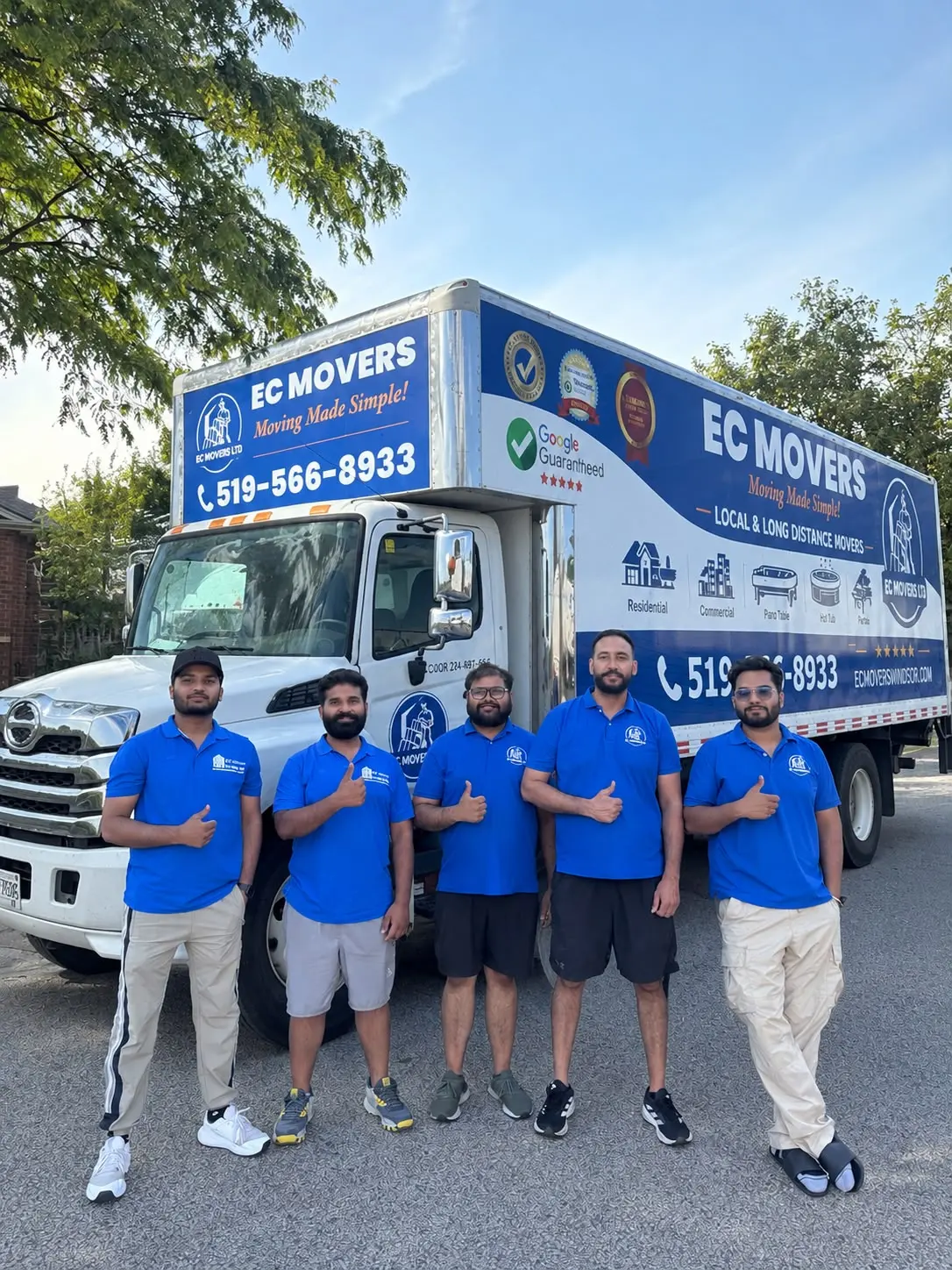
7 questions and red flags to ask before hiring movers
Moving is a high-stakes purchase. This checklist gives seven specific questions framed as red flags you can use immediately to vet local movers, including what to request in writing, how to verify answers fast, and clear signs you should walk away. Use these questions to ask before hiring movers when comparing quotes or scheduling an in-home estimate in Windsor and Essex County.
The seven questions and red flags
-
1 Confirm the estimate type and get it in writing
Why it matters: estimate type determines whether the price can rise on moving day. Estimates are typically binding, binding not-to-exceed, or non-binding and each affects the final invoice.
How to verify: ask the company which estimate type they are providing and require that label in the written estimate. What to request: an itemized, signed estimate that names the estimate type and shows labour, time, mileage, storage, and fuel charges. If the job is long distance or includes specialty items, insist on a binding not-to-exceed or binding estimate for predictable costs.
Decision guidance: prefer binding or binding not-to-exceed for price certainty. Accept non-binding only if the company has excellent, verifiable references and the scope is tightly defined.
Red flags: movers who refuse to put the estimate type in writing, quotes that appear unusually low without a clear scope, or pressure to accept a verbal price.
Sources: UpMove, FMCSA consumer guide, and realtor.com moving checklist.
-
2 Verify insurance, WSIB coverage, and who is liable for damage
Why it matters: insurance and WSIB registration define how losses and injuries are handled and who pays. Without evidence you risk being left with repair bills or unclear claims processes.
How to verify: request the mover's insurance certificate, proof of WSIB registration, and a clear statement of what their insurance covers versus what your homeowner or tenant insurance covers. What to request: a copy of the policy summary showing liability limits, coverage for items you packed, and storage coverage if applicable. If anything is unclear, call the insurer for confirmation.
Red flags: vague answers, refusal to share certificates, or claims that everything is 'covered' without documentation.
Local guidance: Ontario consumer guidance recommends checking references and insurance details before hiring. See Ontario guidance on hiring a mover.
-
3 Insist on a visual inspection or inventory before accepting a quote
Why it matters: accurate estimates require a walkthrough so the estimator can see volume, awkward items, and access issues. Quotes produced without any visual check often miss special handling needs and cause disputes on moving day.
How to verify: request an in-home visit or a live video walkthrough. Confirm the estimator will use your inventory to produce the written quote. What to request: the checklist or inventory used for the estimate plus photo notes of items requiring special protection or disassembly.
Practical tip: prepare a household inventory before the estimator arrives and highlight heavy, fragile, or built-in pieces. Consumer authorities recommend an inventory for better quotes and for any later insurance claims.
Sources: FMCSA guidance and Canada's Office of Consumer Affairs.
-
4 Ask specifically about extra-day charges and add-on fees
Why it matters: shuttle fees, stair fees, long-carry charges, elevator delays, and storage add-ons can inflate a low initial quote. These extras are common and legitimate when access is limited, but they must be disclosed.
How to verify: get a written list of potential extra charges and the hourly or per-item rates. Ask how any additions on moving day will be approved and billed. What to request: an itemized fee schedule included with the estimate and a documented change-order process that requires your written approval before extra work is billed.
Decision rule: work with movers who disclose likely extras up front and who will not add surprise charges without your written consent. Red flags include evasive answers about likely extras or claims you will 'pay less overall' without details.
Local example: for Windsor homes with narrow streets, older buildings, or elevator limits, confirm shuttle or long-carry fees in advance.
Sources: Office of Consumer Affairs and questions to ask before hiring movers.
-
5 Confirm whether the company is a broker or the actual carrier
Why it matters: brokers sell moves and may subcontract your job to an unknown carrier. That can shift liability, reduce accountability, and make quality inconsistent.
How to verify: ask for the legal operating name of the carrier, proof of who employs the crew, and the vehicle plate or carrier licence if applicable. What to request: the mover's operating authority, vehicle details, and the names of the crew assigned to your job. If a broker will assign another carrier, ask for that carrier's credentials in writing.
Decision guidance: prefer direct carriers or movers who clearly disclose subcontracting and supply the subcontractor's credentials ahead of time. Treat a much-cheaper quote with suspicion because brokers often advertise low prices by passing the job on to others.
Red flags: reluctance to say who will show up, inconsistent company names in documents, or a price that is much lower than other direct carriers for the same scope of work.
-
6 Confirm specialty experience, equipment, and protection for pianos, hot tubs, and pool tables
Why it matters: high-value and awkward items need trained crews, lift equipment, and specific protection to avoid damage and injury. A mover who moves pianos once a year is not the same as a specialist who does them regularly.
How to verify: ask for documented experience with your exact item, the equipment they will use, and whether the crew is trained in the required techniques. What to request: references or dated photos from prior specialty moves, an equipment list, and confirmation that the insurance covers that specialty item during transit and storage.
Red flags: answers like 'we can figure it out' without a clear plan or refusal to share past examples. Insist on written confirmation of the protection method and the team assigned before you book.
Local note: EC Movers lists piano and hot tub moving as specialty services and publishes a post explaining why DIY piano moves are risky. See why you should never move a piano yourself windsor movers for the risks of DIY handling.
-
7 Demand references, read recent reviews, and watch for communication red flags
Why it matters: recent local references and active, responsive communication are strong predictors of on-day performance. How a company communicates before the move often mirrors how it performs on moving day.
How to verify: ask for at least two recent local references and call them. Read the latest reviews on Google and industry platforms and note how the company responds to negative feedback. What to request: reference contact details with dates, a commitment that the move will be staffed as described, and confirmation of the arrival window.
Decision rule: hire companies with verifiable, recent local work and fast, clear communication. Walk away if there are no local references, many unresolved complaints, slow or evasive responses, or a history of last minute crew changes.
Sources: Ontario hiring guidance and consumer checklists that stress references and communication when hiring a mover.
What to do next and simple documentation checklist
Before you book, collect these items in writing: the signed, itemized estimate that names the estimate type; the mover's insurance summary and WSIB evidence; the inventory or checklist used for the quote; an itemized list of potential extra fees; written confirmation of who will perform the move; and two recent local references. Keep all documents and email confirmations together for quick reference on moving day.
Frequently asked questions
What estimate types should I accept and how do they differ
Accept binding or binding not-to-exceed estimates for price certainty. Non-binding estimates can rise if actual time or volume is greater. Ask the mover to label the estimate type in writing and explain how adjustments are calculated.
How can I verify a mover’s insurance and WSIB coverage
Request the insurer name and a policy summary showing liability limits and coverage exclusions. Ask for WSIB registration proof and, if needed, call the insurer to confirm the policy. Ontario consumer guidance advises verifying insurance and references before hiring.
When should I walk away from a moving company
Walk away if the mover refuses written estimates, will not share insurance or WSIB documents, gives firm prices without a walkthrough, cannot provide local references, or pressures you to accept a verbal quote. These are common red flags for future disputes.
Can I rely on online reviews alone when vetting movers
Reviews are useful but do not substitute for documentation. Pair online reviews with written estimates, proof of insurance, and at least two local references you can call to confirm recent work quality.
What should I do on moving day if items are damaged
Document damage immediately with photos and written notes, inform the crew lead, and ask for a damage report. Use the mover's claims process and provide your inventory and photos. Keep copies of the signed moving documents and any receipts for repairs.
Final call to action
If you want a clear, written quote and a binding not-to-exceed option for a Windsor move, request a free on-site estimate from EC Movers Ltd. Their site lists services, insurance details, and specialty move capabilities to help you compare offers with confidence.
Ready to move?
Get your free quote from EC Movers today.