
Move Planning: Stay Calm and Packed Up Fast in 2026
Learn how to organize a move with an 8‑week checklist, labels, and load mapping. Field-tested tips for Roseland moves, from packing to first-night setup.

How to organize a move is the methodical planning, scheduling, and packing of your home so moving day runs on time, items stay protected, and you can settle quickly. Build a timeline, label boxes clearly, and stage a load plan. In Roseland, start early and book insured specialists for heavy items.
By Karanjot Singh • Last updated: 2026-06-26
Quick Summary
Organize a move by locking a date, building an 8-week checklist, decluttering early, and packing room by room with clear labels. Confirm movers, reserve elevators and parking, and prepare a first-night kit. On moving day, follow a load map and verify inventory to speed up unloading and setup.
This at-a-glance plan shows the entire move workflow in under a minute.
- Timeline: 8 weeks out → moving day with 45–60 minute daily packing sprints
- Essentials: inventory, color labels, protection, first-night kit, floor plan
- People: assign roles; confirm mover arrival window; notify building management
- Specialty: pianos, hot tubs, and pool tables require insured, trained crews
- Local: in Roseland, expect weekend congestion near popular parks and shopping
Introduction
A well-organized move turns a high-stress event into a predictable project with timelines, checklists, and clear roles. Start early, pack smart, and book insured pros for specialty items. The payoff is faster loading, fewer damages, and a smoother first night in your new space.
We built this guide from EC Movers Ltd’s field-tested process across Windsor-Essex. It’s designed for homeowners, renters, students, and small offices who want a repeatable system—not guesswork. You’ll see the same sequencing our crews use, adapted for DIY and hybrid (DIY + pro) moves.
- What you’ll get: a complete timeline, room-by-room checklists, labeling scripts, and pro-grade safeguards
- Why it matters: last-minute packing, unclear roles, and poor labeling create most delays on move day
- Who it’s for: local and long-distance moves, including complex items that benefit from specialists
If you prefer hands-off packing, our full packing and moving service handles materials, labeling, and setup while you focus on the changeover.
Before You Start (Prerequisites)
Lock your target date, define scope, and set guardrails. Reserve building elevators and parking, gather packing supplies, and decide which items warrant specialty movers. With this foundation, every later task snaps into place and you avoid last‑minute scrambles that cause delays and damage.
Decide scope and timeline
- Pick a move date; work backward exactly 8 weeks.
- Block 45–60 minute evening sprints for steady progress.
- Create a shared family calendar; add elevator/parking reservations and utility switchovers.
Gather supplies and tools
- Boxes, packing paper, bubble wrap, stretch wrap, and moving blankets.
- Color labels by room; bold markers; tape gun and spare rolls.
- Inventory sheet or spreadsheet; use item numbers tied to box numbers.
Reserve key logistics
- Elevators/loading docks and neighborhood parking permissions.
- Child/pet care coverage on moving day for a clear safety zone.
- Specialty crews for pianos, hot tubs, and pool tables to reduce risk.
Practical baseline: a reinforced medium box safely carries about 50 lb when packed tight to avoid crush points. Distribute dense items (books, tools) across boxes so no single package exceeds that threshold.
Example from our teams: When families in South Windsor scheduled elevator access early, they cut idle time by an entire loading cycle. A 10-minute scheduling email can save an hour on move day.
If you’re moving out of a house and into a condo or across the province, align this prep with our long-distance moving process so building access and arrival windows match your timeline.
Step-by-Step Process
Follow this 12-step sequence from 8 weeks out to move-in day: declutter, inventory, pack by room, protect fragile and bulky items, confirm movers, stage a load plan, and finalize utilities. On moving day, execute the load order, verify counts, and set up essentials first.
8–7 weeks out: purge and plan
- Walk each room with three bins: keep, donate, recycle.
- Photograph high-value items; note serial numbers in your inventory.
- Request move-day availability; flag specialty needs (piano, spa, pool table).
We’ve found that a one-hour purge session clears 6–10 cubic feet of clutter. Less to pack means fewer boxes, fewer labels, and faster loading.
6 weeks out: inventory and labeling system
- Assign each room a color; number every box sequentially.
- Log contents and condition: “Kitchen—Glassware (G1–G12), Box K-04.”
- Tag “Open First” boxes for kitchen, bath, and bedrooms.
Tip: Place the same room color on that room’s doorframe at the new home. Crews can match box-to-door color instantly, cutting hallway congestion.
5–4 weeks out: pack non-essentials
- Out-of-season clothes, decor, spare linens, books—start here.
- Use the soft-wrap rule: towels and linens cushion fragile items.
- Stack-test boxes; stop if you see bowing or hear clinking.
For delicate items, wrap plates vertically and stemware individually; edges bear weight better than faces. Label sides and top for visibility in stacks.
3 weeks out: rooms in sprints
- Kitchen day 1, bedrooms day 2–3, living areas day 4.
- Bundle cords; label both ends (e.g., “TV → HDMI 1”).
- Photograph shelving and cable routing before disassembly.
We routinely see 25–35 minutes saved per room when cable photos guide setup on the other end.
2 weeks out: confirm logistics
- Confirm elevator and parking reservations in writing.
- Finalize mover arrival window and crew headcount.
- Print a floor plan for each room; tape it inside the doorway.
For specialty items, review our notes on professional piano moving to understand safe routing and reassembly steps.
1 week out: protect and stage
- Disassemble furniture; bag and tape hardware directly to frames.
- Protect mattresses, sofas, and wooden tops with covers and blankets.
- Stage boxes by load order near the exit path; keep walkways clear.
Heaviest, most stable items go on first. Keep fragile boxes off the load path until the ramp area is stable and guarded.
48–24 hours: utilities and admin
- Switch utilities; schedule internet; update mailing address.
- Prepare ID and access instructions for building staff.
- Pack a first-night kit: toiletries, meds, chargers, snacks, bedding, pet items.
Don’t forget spare sets of door and mailbox keys for the handoff. Keep your essentials box with you—not on the truck.
Moving day: safe, efficient loading
- Walkthrough with crew lead; identify fragile items and “Do Not Load” boxes.
- Protect floors/banisters; maintain a clear no-trip zone around the ramp.
- Load heavy items low and forward; balance weight evenly across the truck.
Our crews use a load map listing the first 10 items on and off. It prevents reshuffling and double-handling, which saves time and protects walls and rails.
Arrival: verify and set essentials
- Check seals and labels; match counts to your inventory sheet.
- Direct large items per the floor plan; open “Open First” boxes next.
- Assemble beds before dark; test smoke and CO alarms.
Staging a simple hallway triage—“to kitchen,” “to bedrooms,” “to storage”—keeps rooms usable and walkable while you unpack.
| Week | Primary focus | Key actions |
|---|---|---|
| 8–7 | Declutter | Keep/Donate/Recycle; photo valuables; request availability |
| 6 | Inventory | Color/number labels; spreadsheet; “Open First” tags |
| 5–4 | Non‑essentials | Pack decor/books; soft wrap; stack test |
| 3 | Room sprints | Kitchen→Bedrooms→Living; photo cables; label cords |
| 2 | Logistics | Elevator/parking; crew confirmation; floor plans |
| 1 | Protection | Disassembly; covers; stage load order |
| 2–0 days | Admin | Utilities; internet; address updates; first‑night kit |
Tools and Resources That Make It Easier
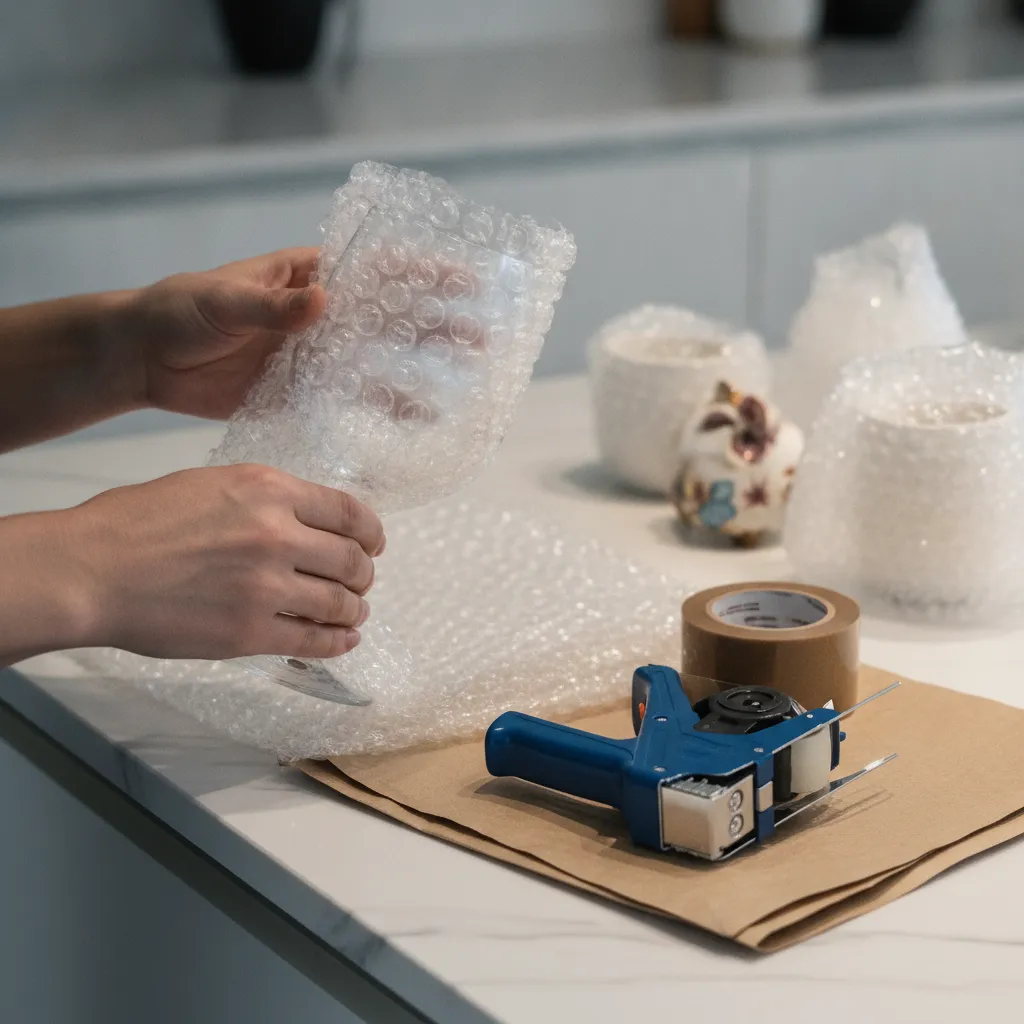
Use sturdy boxes, room-color labels, a tape gun, stretch wrap, and moving blankets. Pair these with a shared checklist app and a simple inventory sheet. For specialty items, lean on insured professionals equipped with dollies, piano boards, spa cradles, and rigging straps.
- Core supplies: boxes, paper, bubble wrap, stretch wrap, labels, markers, tape.
- Protection: mattress/sofa covers, corner guards, floor runners, stair wraps.
- Gear: furniture dollies, moving straps, drill/hex bits, zip ties.
- Templates: inventory spreadsheet, change-of-address list, floor plan printouts.
- Specialty: piano skid boards, stair climbers, hot tub sleds and cradles.
Prefer white‑glove packing? Our packing team brings all materials, labels every side of each box, and documents high‑value items for quick verification at delivery.
For a printable DIY checklist, see this concise packing for a move checklist that pairs well with the 8‑week plan above.
Troubleshooting Common Moving Problems
When timelines slip or items won’t fit, pause and reset: reprioritize rooms, switch to essentials-only packing, and measure large items against entries. Document any in-transit concerns and align on a resolution path before unloading starts at the destination.
- Last-minute crunch: pack only essentials; stage everything by the exit first.
- Narrow stairwells: remove doors temporarily; use shoulder straps or a board.
- Weather swing: plastic-wrap boxes; add extra floor runners and mats.
- Missing screws: keep a “hardware box” and label by furniture item.
- Building surprises: confirm elevator keys and access hours 48 hours prior.
Bookmark a simple incident log in your notes app. Include photos, box IDs, and a one‑line description. Clear documentation speeds resolution and prevents finger‑pointing under time pressure.
For a broader view of common pitfalls, skim this guide on common moving challenges to avoid and adapt what’s relevant to your home.

Advanced Tips From the Field
Level up with a load map, color-coded floor plans, and a tools-and-parts caddy. Photograph cable setups before disassembly, pre-label shelf heights, and group furniture by destination to reduce double-handling and shave time off your unload.
- Load map: list the first 10 items on/off the truck for balance and speed.
- Labeling pro mode: room color + item type + sequence number.
- Floor plans: tape color stickers on doorframes to match box labels.
- Tech setup: snap photos of cable routing before disconnecting.
- Day-of caddy: keep bits, Allen keys, blades, straps, and zip ties together.
Local considerations for Roseland
- Weekend mornings near Walker Square can be busier—book early arrivals.
- Spring and fall bring quick weather changes; stage extra floor runners and wraps.
- With kids in tow, plan a quick reset stop near Captain J. Wilson Park if needed.
Handling a spa or piano? Review our notes on hot tub relocation safety and why you should avoid DIY piano moves. The right gear and crew experience matter more than muscle.
Mini Case Studies: Real Moves, Real Lessons
Short, real-world scenarios make the plan concrete. See how a piano move, a hot tub relocation, and a small office reset each demanded different prep, labeling, and load sequencing—yet followed the same framework to finish on time and protect property.
Upright piano, Roseland townhouse
- Pre-walk measured stairs and turns; removed two interior doors.
- Used a piano board, straps, and a three-person carry with a spotter.
- Labeled hardware and reassembled on felt sliders to protect floors.
Result: no wall contact, smooth stair navigation, and on-time reassembly guided by photos and labeled parts bags.
Backyard spa, Roseland bungalow
- Mapped yard access; staged spa cradles and a sled path over lawn.
- Wrapped panels and controls; coordinated disconnect/reconnect windows.
- Verified pad level at destination before final set.
Result: the spa cleared a tight gate with inch-level tolerance thanks to pre-mapping and controlled sled movement on protective boards.
Two-room office, near Tecumseh
- Color-coded workstations; photographed cable layouts.
- Rolled file boxes by department sequence for quick restore.
- Set essential desks first; printers and break area last.
Result: email and printers came online the same afternoon; staff returned to normal workflows the next morning without a backlog.
Frequently Asked Questions
Most moves stay on track with an 8-week timeline, daily 45–60 minute packing sprints, and a clear labeling system. Specialty items like pianos, hot tubs, and pool tables warrant insured professionals to protect property and maintain schedule integrity.
How early should I start packing?
Eight weeks out is ideal for a full home. Start with non‑essentials, then move to room sprints. Keep daily sessions short and consistent. Label every box with room color, content summary, and a sequence number for fast finds at destination.
What should be in my first-night box?
Pack toiletries, medications, basic tools, chargers, a few dishes, pajamas, a change of clothes, and bedding. Add pet food, kid comfort items, and a power strip. Label it “Open First” and keep it with you, not on the truck.
How do I protect furniture and floors?
Use mattress and sofa covers, moving blankets, and corner guards. Lay floor runners at entries and high-traffic turns. Disassemble large items and bag hardware. Load heavy items first and keep stairwells clear to prevent snags and scuffs.
Can I DIY a piano or hot tub move?
These items are heavy, awkward, and risk property damage. Use insured specialists with the right gear: piano boards, spa cradles, and rigging. They protect walls, stairs, and components while keeping the schedule intact.
Additional Resources and Next Steps
Download a room-by-room checklist, print color labels, and use an inventory sheet. Confirm elevator and parking logistics, then schedule your preferred move window. Keep an “Open First” box and a tools caddy accessible the entire time.
- Templates: inventory, change-of-address, and floor plan outlines (print and tape to doors).
- Safety reminders: neutral spine, lift with legs, and use team carries on stairs.
- Admin: utility transfer list, lease/closing checklists, and key handoff notes.
For another angle on planning sequences, this explainer on designing a moving checklist offers additional prompts you can adapt to your home.
Conclusion
An organized move follows a clear timeline, uses proven packing systems, and reserves specialists for heavy or complex items. With labels, inventory, and a load map, you cut chaos and get essentials running on day one—without endless hunting for parts or tools.
Key Takeaways
- Build an 8-week timeline and stick to short daily sprints.
- Label by room color and sequence; log high-value items with photos.
- Confirm elevators, parking, and crew details 1–2 weeks before move day.
- Stage a first-night kit and a dedicated parts-and-tools caddy.
- Use insured specialists for pianos, hot tubs, and pool tables.
Ready to move with confidence in Roseland? Start your plan today, and if you want a trusted partner for complex pieces or full-service support, we’re here to help—end to end.
Ready to move?
Get your free quote from EC Movers today.