
Kingsville Moving Checklist: Avoid Costly Mistakes (2026)
A complete Kingsville moving checklist with timeline, packing tips, local logistics, and a buyer’s guide for insured, WSIB-certified movers. Avoid surprises on move day.
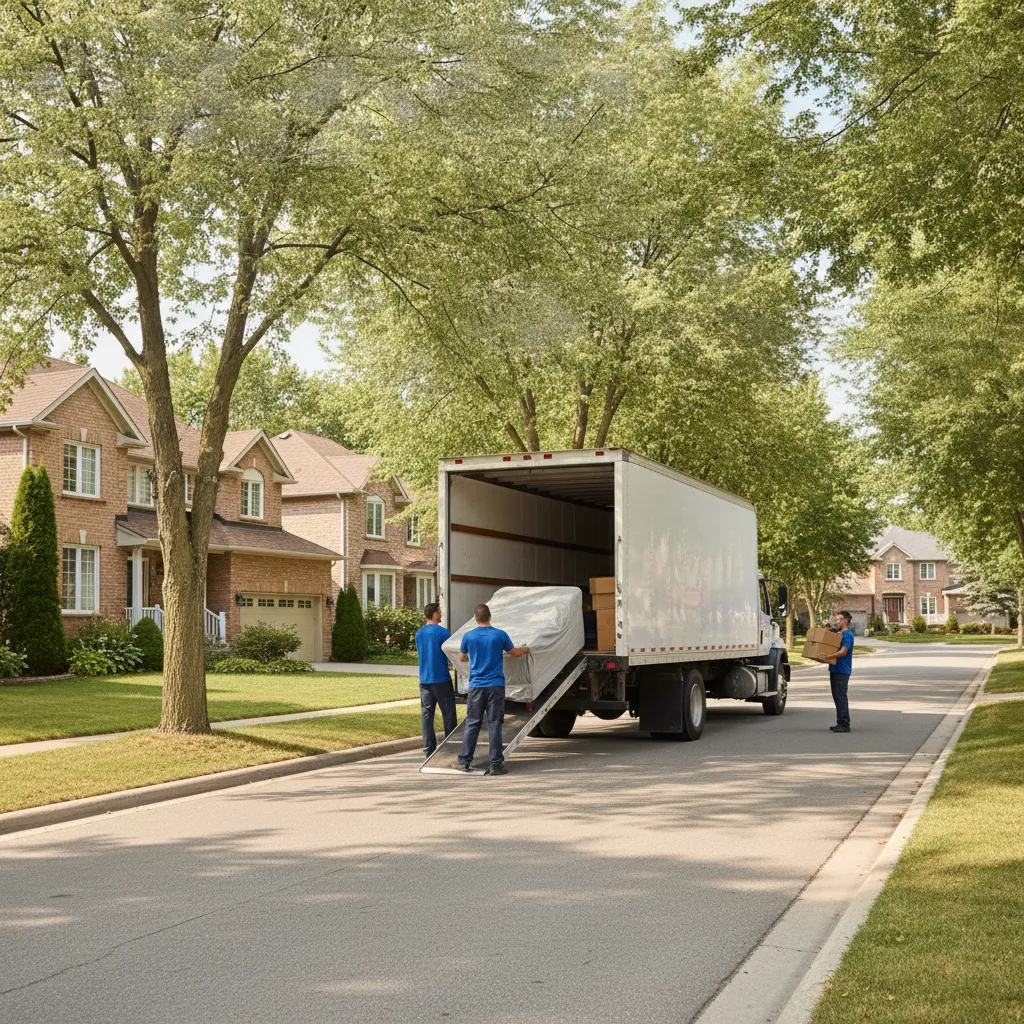
Kingsville moving checklist refers to a step-by-step plan that organizes your move from timeline and packing to permits and delivery day details. It reduces delays, protects fragile items, and keeps tasks on track. For Kingsville homes, a local checklist pairs best with insured movers who handle specialty items and provide end-to-end setup.
By Karanjot Singh — EC Movers Ltd
Last updated: 2026-06-28
Quick Summary
This Kingsville moving checklist gives you a local, step-by-step plan: an eight-week timeline, packing system, access and parking prep, and specialty-item guidance. It also includes a buyer’s guide for hiring insured, WSIB-certified movers and a DIY-versus-full-service comparison to help you avoid common pitfalls on moving day.
Use this at-a-glance guide to plan your move with clarity and speed. Then jump to the deeper sections to customize your approach for a house, apartment, or office relocation in Kingsville.
- Timeline: 8–10 weeks out with weekly milestones
- Packing: room-by-room system, color coding, load order
- Access: parking, elevator reservations, door and floor protection
- Specialty items: pianos, hot tubs, pool tables handled by pros
- Hiring: insured, WSIB-certified, flat-rate, on-time crews

What is a Kingsville moving checklist?
A Kingsville moving checklist is a localized, ordered list of tasks that prepares your home for moving day: decluttering, packing, access planning, and setup at the new place. It reduces damage risk, keeps boxes organized, and synchronizes your crew, equipment, and arrival window.
A checklist isn’t just a list; it’s a decision framework you can follow under pressure. It clarifies who does what and when, from change-of-address tasks to where the first-night box goes. In our experience serving 20+ Windsor–Essex communities, a local checklist is the single most effective way to cut last‑minute surprises.
- Scope: Includes before, during, and after move items
- Order: Builds momentum from low-effort to high-impact tasks
- Safety: Adds floor protection, clear pathways, and item-specific handling
- Clarity: Defines labels, load order, and room assignments
If you want a turnkey option, our full packing and moving service uses this same structure—just executed by trained crews with protection gear, so your home stays clean and damage-free.
Why a local checklist matters in Kingsville
Local checklists account for Kingsville-specific timing, parking, and access constraints. They help you reserve loading zones, navigate tight streets, and plan around neighborhood activity. When crews know the area, arrival windows and loading efficiency improve—and fragile items travel safer.
Generic checklists miss neighborhood logistics that actually slow the day. In Kingsville, we see tight driveways, mature trees, and family schedules that collide with arrival windows. A local plan aligns curb access, load order, and apartment elevator timing so your move flows instead of stalls.
- Access fit: Measure doorways, stair turns, and porch clearances early
- Parking: Confirm curb space and reserve elevators where applicable
- Neighbors: Notify adjacent homes to keep the lane clear during the load
- Protection: Stage runners, blankets, and corner guards before the first lift
Local considerations for Kingsville
- Weekend traffic near Walker Square can compress loading windows; plan morning arrivals for smoother curb access.
- Spring and fall weather swings mean humidity-safe packing and sealed totes for garages; keep electronics in climate-stable rooms.
- If staging in parks like Captain J. Wilson Park for meetups, avoid peak hours and confirm any temporary parking guidance.
How the step-by-step timeline works
Work backward 8–10 weeks from move day. Each week handles a theme: declutter, supplies, early packing, address changes, access prep, and final walkthroughs. The result is a calm, on‑time load where fragile items, keys, and essentials are exactly where you expect them.
This timeline reflects what our on-time crews use across Windsor–Essex. It spreads the workload so nothing piles up in the final 48 hours. You’ll prep essentials early, lock logistics mid‑way, and complete sensitive packing the week before.
8–10 weeks out
- Set the date and decide DIY vs. full-service vs. hybrid.
- Book insured movers with WSIB certification and flat-rate transparency. See our Kingsville movers page for local scheduling.
- Start a room inventory and identify specialty items (piano, hot tub, pool table).
6–7 weeks out
- Declutter 15–25% of belongings by volume—donate, recycle, or sell.
- Order supplies: small, medium, large boxes; dish barrels; tape; stretch wrap; bubble and packing paper.
- Measure large furniture and door/stair turns; note any disassembly needed.
4–5 weeks out
- Begin room-by-room packing; aim for 10–12 medium boxes per bedroom as a rule of thumb.
- Label two sides of each box with room + major contents; color-code per room.
- Schedule elevator reservations or loading dock windows if applicable.
2–3 weeks out
- Complete change-of-address items and utility transitions.
- Confirm curb space for the truck and stage floor/rug protection.
- Finalize disassembly (beds, mirrors, wall‑mounted TVs) and set hardware in labeled bags.
Move week
- Pack an essentials bin: meds, chargers, basic tools, towels, first-night bedding.
- Defrost and prep appliances 24–48 hours prior.
- Walk the path: keep 36-inch clearance from door to truck; protect corners.
Move day
- Review the load plan with crew lead; fragile and specialty items first or last, per plan.
- Assign one point of contact for questions and final sign-off.
- Do a last-home sweep: closets, cabinets, attic, garage, and yard.
Prefer a done-for-you approach? Our full packing and moving service executes this timeline with trained pros, protection gear, and end-to-end setup at your new place.
Types of moves and approaches (DIY, hybrid, full-service)
Choose between DIY, hybrid, and full-service. DIY gives control but demands time, equipment, and risk management. Hybrid lets you pack while pros handle loading and transport. Full-service wraps, loads, transports, and sets up—ideal for tight timelines or specialty items.
Each approach trades time, effort, and risk differently. If you’re moving a piano, hot tub, or pool table, specialized crews are non‑negotiable for safety and liability. Hybrid is popular in Kingsville: you pack labeled boxes; we protect furniture, load, transport, and place items by room.
| Approach | Best for | Pros | Watch-outs |
|---|---|---|---|
| DIY | Small apartments, short moves | Full control; flexible timing | Requires equipment; higher damage risk; heavy lifting |
| Hybrid | Homes with furniture + boxes | Pros handle heavy/fragile; you pack | Coordination needed; label accuracy matters |
| Full-service | Busy schedules; specialty items | End-to-end handling and setup | Plan availability early in peak months |
If you’re weighing long-haul logistics, review our long-distance moving service for route planning, staging, and delivery windows across Canada.
Best practices for packing, labeling, and protection
Pack heavy items in small boxes, light items in large boxes, and protect corners and floors before the first lift. Label two sides, list primary contents, and color-code by room. Use dish barrels for kitchenware and wrap fragile items with paper, bubbles, and soft goods.
We’ve found that consistency beats speed. Small practices—like taping seams twice and labeling before a box closes—slash breakage and save hours on the unload. Protecting the home first avoids scratches and keeps everyone moving confidently.
- Box rules: Books in small boxes; linens in large; limit weight per box to what one person can lift safely.
- Labeling: Room + 2–3 key items; add color tape per room for visual sorting.
- Protection: Stage runners, corner guards, banister pads, and door jamb protectors.
- Kitchen: Dish barrels, glass dividers, and vertical plate packing.
- Closets: Wardrobe boxes for hanging clothes; compress off-season items.
- Electronics: Original boxes when possible; photograph cable setups before disconnecting.
Not sure you want to DIY the packing? Our packing teams bring the right mix of dish barrels, wardrobe boxes, and protection gear so your rooms unpack cleanly—no mystery boxes, no missing hardware.
Tools and resources you’ll actually use
Build a light kit: tape gun, stretch wrap, painter’s tape, markers, box cutter, and moving blankets. Add dollies, lifting straps, door jamb protectors, and runners. Use simple checklists and room labels to keep boxes discoverable and the path clear for safe loading.
Fancy gadgets aren’t required. The best moves come from consistent labeling, adequate protection, and safe lifting. For self-packers, a two-dolly setup (utility + furniture) maintains flow and reduces strain. For families, a shared room map speeds the unload.
- Essentials: Tape gun, sharpies, painter’s tape, stretch wrap, box cutter
- Protection: Blankets, corner guards, runners, mattress bags
- Handling: Utility dolly, 4-wheel dolly, lifting straps, sliders
- Planning: Room maps, label colors, first-night box
Need a done-for-you kit and crew? Our Kingsville crews arrive fully equipped and set up protection before a single item moves.
Specialty items: pianos, hot tubs, and pool tables
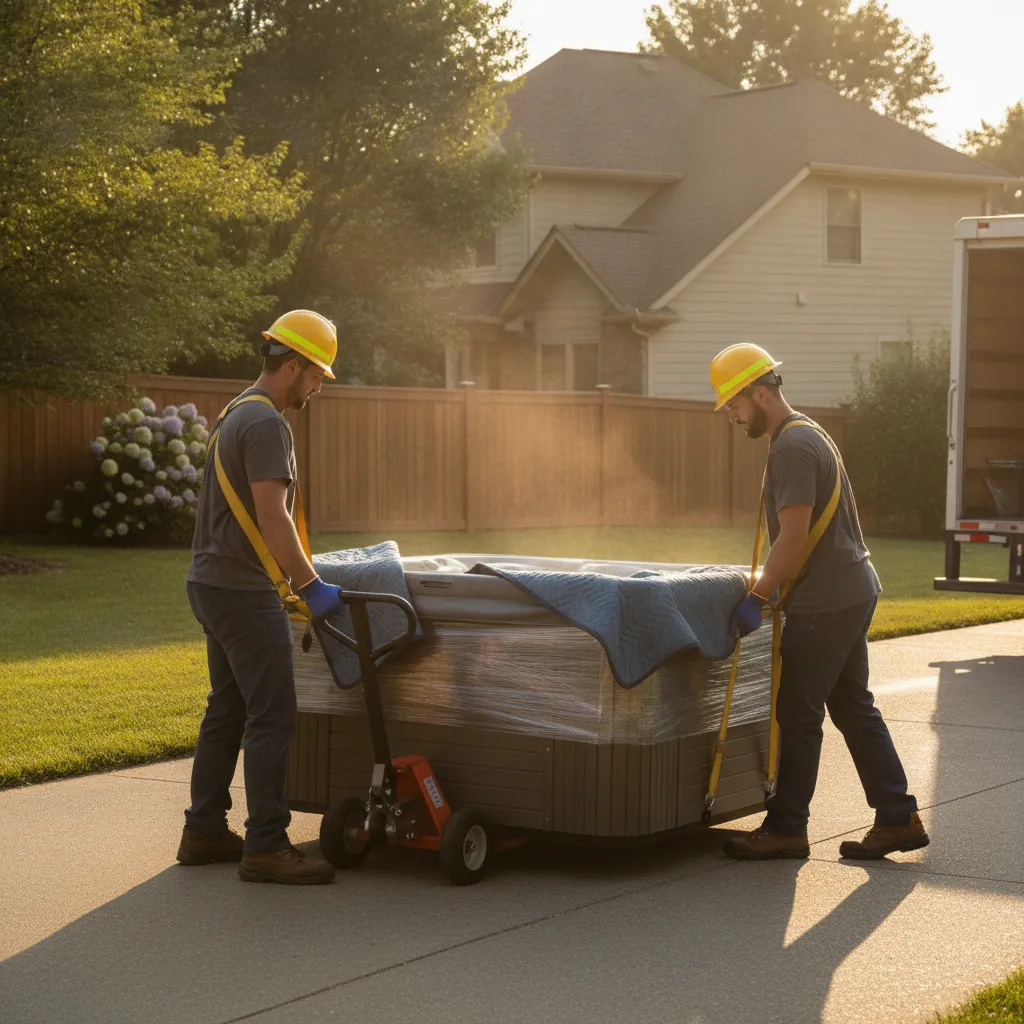
Specialty items require trained crews, the right tools, and insurance coverage. Pianos need secure dollies and straps; hot tubs demand route planning and lifting systems; pool tables require disassembly and careful reassembly. Professional handling reduces damage risk and liability.
In our work across Windsor–Essex, we regularly move high-value items. A safe plan includes access measurements, weight distribution, and padding strategy. For example, upright pianos travel on a proper piano dolly with secure strapping and protected floors at each turn.
- Pianos: Use professional piano boards, stair protection, and team coordination. See why in our piano moving guide.
- Hot tubs: Plan egress, terrain, and equipment. Review our hot tub moving article; it also helps frame the often-asked “hot tub moving cost” topic without guesswork.
- Pool tables: Disassemble, label, protect slate, and plan re-felt if needed. Confirm room placement in advance.
Bottom line: specialty moving blends physics, protection, and teamwork. If you’re not 100% sure about the route, tools, and risk, bring in a pro team that’s fully insured and WSIB-certified.
Local logistics: parking, permits, and access
Secure curb space, measure critical turns, and protect routes before move day. Coordinate elevator windows, reserve loading areas, and stage floor protection. Clear a 36-inch path from door to truck and confirm where large items will land at the destination.
Local logistics determine whether the day feels smooth or rushed. We’ve seen moves gain an hour simply by reserving curb space and pre‑protecting high‑traffic areas. Take five minutes to confirm truck access and door clearance; it pays off the entire day.
- Curb/elevator: Reserve and post signs if needed; confirm dock codes or fobs.
- Pathway: Walk the route; remove rugs and low-hanging décor; pad corners.
- Weather: Stage extra runners and blankets for rain; keep tools dry.
- Neighbors: Give 24-hour notice for shared lanes or driveways.
For longer routes across Canada, our long-distance crews coordinate staging, protection, and arrival windows so you’re never guessing where the truck is—or what’s next.
Buying guide: choosing an insured, WSIB-certified mover
Evaluate movers on insurance, WSIB certification, specialty-item expertise, and flat-rate transparency. Ask about on-time records, protection gear, and whether crews set up your new space. Request a written scope that lists what’s included from packing to final placement.
A strong moving partner brings accountability and clarity. EC Movers operates with full insurance and WSIB certification, runs on-time equipped crews, and offers flat-rate transparency with no hidden fees. That combination removes the guesswork and aligns expectations on both sides of the door.
- Non-negotiables: Insurance proof, WSIB documentation, and itemized scope in writing
- Specialty readiness: Piano boards, hot tub gear, and pool table disassembly expertise
- Protection plan: Runners, corner guards, door pads, and wrap strategy
- References: Look for consistent 5-star reviews and local case examples
If you’d like help, our Kingsville team can walk you through scope, availability, and scheduling—no pressure, just clear next steps.
Case examples from Windsor–Essex moves
Real scenarios show how small choices change outcomes. You’ll see how labeling, access prep, and specialty handling prevent delays and damage. Each example pairs a quick problem with the decision that solved it, so you can borrow the approach for your own move.
Family home with piano
A Kingsville family had an upright piano and tight porch turn. We measured early, protected the banister, and staged a piano dolly with strapping. The route cleared on the first pass, and the unload placed the piano on sliders for precise room positioning without scuffs.
Backyard hot tub relocation
A homeowner relocating a hot tub needed fence panel removal and a dolly path across pavers. We coordinated timings with a neighbor, protected the stones, and used lifting straps for controlled descent. The unit landed level on prepared blocks with no surface marks.
Downsizing to a condo
Elevator windows were tight, so we front-loaded labeled essentials and soft goods, then batched heavier items into two cycles. Because curb space was pre‑reserved, the crew kept a steady flow and finished within the reserved dock timeslot—no rush, no missed boxes.
Change-of-address and admin checklist
Batch your admin tasks: change-of-address, utility transfer, and medical/school records. Group by priority and timing so nothing slips. Confirm insurance policy updates and keep key ID documents in a travel folder you never pack on the truck.
- Mail forwarding: Set up a forwarding request so critical mail follows you. See a helpful preparation checklist here: moving preparation checklist.
- Utilities: Schedule stop/start dates for electricity, gas, water, and internet.
- Government/records: Update IDs, vehicle, medical, and school records as needed.
- Insurance: Update home/tenant policies for the new address and dates.
Need help packing or moving day support?
If you want fewer moving-day decisions, bring in an insured, WSIB-certified crew that arrives on time and sets up your new space. Our Kingsville team can handle packing, protection, loading, and placement so you enjoy a clean, damage‑free handoff.
Talk to our local coordinators about full-service or hybrid options. We’ll align scope to your timeline and specialty items, then reserve a crew with the right protection gear and equipment.
Get local moving help — simple, transparent, and reliable.
Frequently Asked Questions
These quick answers resolve the most common questions Kingsville movers ask: how early to start, what to pack first, how to protect floors and corners, and whether specialty items need pros. Each answer is short and direct for fast decisions.
When should I start my Kingsville moving checklist?
Begin 8–10 weeks before move day. Lock in movers, start decluttering, and order supplies. By week four, you should pack room by room and confirm access like curb space or elevator windows. The last week is for essentials, protection, and final walkthroughs.
What do I pack first to avoid last-minute stress?
Start with off-season items and storage rooms, then guest rooms and décor. Next, pack books and linens. Leave daily-use kitchenware and toiletries for the final days. Always prepare a first-night box with essentials so you’re not searching after the unload.
Do I need professionals for a piano, hot tub, or pool table?
Yes. These items are heavy, awkward, and risk-prone without the correct tools and training. Trained, insured crews use specialized dollies, pads, and lifting systems to move them safely. It protects your item, your property, and everyone helping on the day.
How do I keep floors and walls safe during the move?
Lay runners before the first lift, pad door jambs and corners, and remove small rugs and décor along the path. Use sliders for heavy pieces and communicate the route with the crew lead. Good protection saves time and prevents scrapes during tight turns.
Is full-service or hybrid moving better for families?
Hybrid is a smart middle ground for many families: you pack labeled boxes, and pros handle furniture protection, loading, transport, and room placement. If your schedule is packed or you have specialty items, full-service reduces decisions and speeds setup.
Key takeaways
Start 8–10 weeks out, lock logistics early, and protect floors and corners before lifting. Label two sides of every box, plan curb and elevator access, and bring in pros for specialty items. A clear, local checklist turns moving day into a predictable handoff.
- Use an 8–10 week timeline with weekly themes
- Color-code boxes and label two sides
- Stage door, floor, and corner protection first
- Reserve curb space and elevator windows
- Hire insured, WSIB-certified pros for specialty items
Conclusion
A Kingsville moving checklist brings order to a chaotic day. With a clear timeline, protection-first approach, and the right help where it matters, you’ll avoid delays and damage. Use this guide to plan confidently—and lean on local, insured crews when you want it done for you.
Ready for a smoother move? Our EC Movers team serves Kingsville with on-time, fully equipped crews and flat-rate clarity. Explore local availability or learn more about long-distance planning if you’re heading across Canada.
For general planning inspiration, see this practical moving preparation checklist, a concise page on packing for a move, and an overview of relocating to a new Ontario city like this moving to Kingston guide.
Ready to move?
Get your free quote from EC Movers today.