
Packing tips for moving into a new house: 7 essentials to save time and stress
Seven packing tips for moving into a new house: declutter, room-by-room packing, fragile-item protection, right materials, labelling, mover coordination.

Packing tips for moving into a new house: 7 essentials to save time and stress
How to use these 7 packing tips
This article presents exactly seven practical packing strategies you can start using today. Each numbered tip explains why it matters, step-by-step how to do it, and short examples you can apply room by room. Follow this timeline so you know when to act: a four-week window for decluttering and buying supplies, two weeks for systematic room packing and specialty prep, and the final 48 hours for move-in boxes and last checks.
If you live in an apartment or condo, confirm building rules, elevator reservations and parking permits with property management early. If you plan to hire professionals, review the mover's process and booking steps before your deposit. EC Movers Ltd lists a helpful outline of their booking and arrival steps on their site, which can reduce last-minute surprises when you coordinate logistics.
1. Declutter and stage first so you only pack what you need
Why it matters: The less you move, the faster and cheaper the move will be. Decluttering now also reduces unpacking time in the new house and helps you avoid packing unwanted items that create clutter later.
How to do it: Work room by room and use three simple bins or labelled bags: Keep, Donate/Sell, Recycle. Set a one-week decision rule for small items. For larger things, ask whether the item has been used in the last year and if it will fit the new space. Photograph items you plan to sell for faster listings.
Example timeline: Week four, start with storage areas, closets and nonessential decor. Week three, move to bedrooms and bathrooms. Week two, tackle the kitchen, keeping only basics for the final two weeks. Consider arranging an overlap period if you need more time to stage and unpack. Paying two rents may be costly, but an overlap can buy breathing room to pack, move and set up more calmly, a strategy noted by CMHC for some renters and buyers.
2. Pack room-by-room and build prioritized move-in boxes
Why it matters: Packing by room keeps like items together and makes unloading into the correct rooms straightforward. Prioritized move-in boxes mean you can function in the new house immediately without digging through dozens of boxes.
How to do it: Follow this room order for efficient packing: storage and garage, spare rooms, bedrooms, living areas, kitchen last. Create three standard move-in boxes per household:
- First-night box: bedding, pajamas, toiletries, chargers, a change of clothes, basic cleaning supplies, medications, pet supplies and a flashlight.
- Kitchen basics box: a couple of plates, cups, cutlery, a kettle or pot, dish soap, a sponge and a small dish towel.
- Setup and tools box: screwdriver, hammer, utility knife, tape, scissors, a roll of paper towels, a small cordless drill and spare bulbs.
Label each move-in box clearly with the room and the priority number, for example "Master bedroom, PRIORITY 1," so movers know these boxes must be unloaded first.
3. Protect fragile and high-value items with step-by-step methods
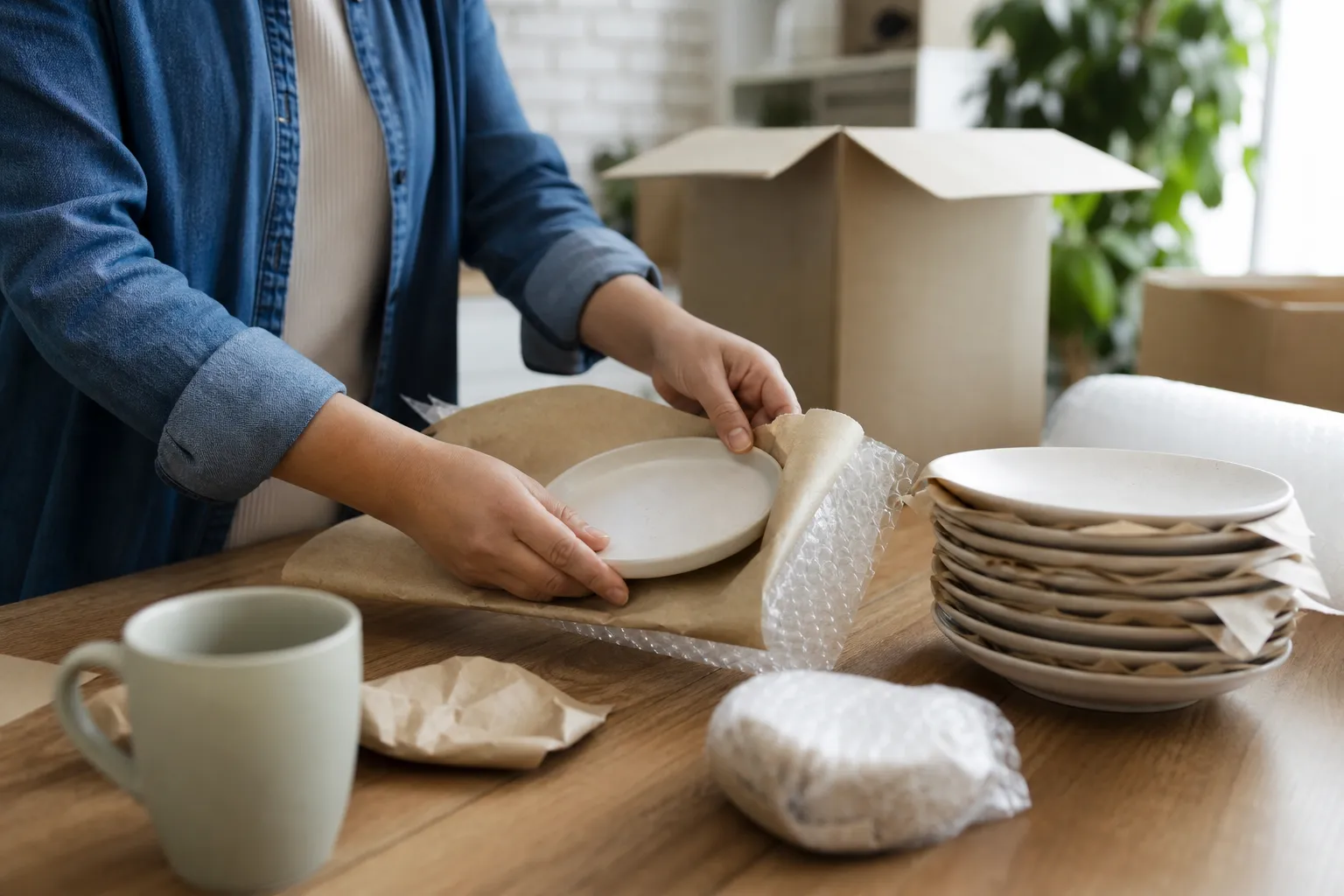
Why it matters: A few careful steps reduce the risk of breakage and make insurance claims easier if damage occurs. Some items require specialist handling that DIY packing cannot match.
How to do it for common fragile groups:
- Glassware and dishes: wrap each piece in paper, then group in small boxes with dividers or crumpled paper between items. Mark the box "Fragile" and include orientation arrows.
- Mirrors and framed art: use corner protectors, wrap the whole piece in bubble wrap, and move in an upright position. Consider double-boxing smaller frames.
- Electronics: photograph connections, remove batteries, pack cords in labelled bags and use original boxes if available. Add padding on all sides.
Specialty items such as pianos, hot tubs and pool tables need experienced crews because of weight, balance and disassembly requirements. For pianos, see EC Movers' post on why you should never move a piano yourself windsor movers for reasons and recommended specialist steps. If you have expensive or awkward items, schedule a pre-move assessment with your mover so they can confirm required equipment and crew size.
4. Use the right materials and adopt reusable options where possible
Why it matters: Professional-grade materials protect items and make stacking and transport more secure. Reusable options reduce waste and can speed unpacking if you pack by category into identical totes.
What to buy or rent: sturdy boxes in varied sizes, wardrobe boxes for hanging clothes, heavy-duty packing tape, bubble wrap, packing paper, moving blankets, mattress bags, corner protectors and ratchet straps for securing items in the truck. For eco-friendly moves, consider reusable plastic totes or rental moving kits that include padded boxes. Check the vehicle size your mover will use so you choose box sizes that fit standard trucks.
How to use them: Always reinforce the bottom of boxes with two strips of tape forming an H pattern. Wrap furniture corners and secure mattress bags to prevent dirt and moisture on the truck. Use blankets to separate items and avoid stacking fragile boxes under heavy ones.
5. Labelling, inventory and photograph everything to speed unpacking and protect your claim
Why it matters: Clear labelling and a simple inventory reduce time spent searching for essentials and provide evidence if items are damaged or missing. Photographs with timestamps are persuasive if you need to file a claim.
Labelling template: Room code, short contents, priority number, fragile flag. Example: "KITCH-02: plates, mugs, utensils, PRIORITY 1, FRAGILE." Place a second sticker on the top and one on the side so crews can read it when stacked.
Inventory workflow: create a basic spreadsheet with box ID, room, brief contents and photos. Before loading, photograph high-value items and unusual furniture, showing serial numbers if visible. At delivery photograph the same items and their placement in the truck and in the new home. The Government of Canada moving advice recommends walking through the new space and confirming inventory with the mover once unloading is complete. Photographic documentation makes that process clearer and helps with any follow-up.
6. Coordinate logistics with your mover and building management before moving day

Why it matters: Many delays and extra fees come from unresolved access or parking issues. Coordinating details in advance avoids surprises on moving day and helps crews work efficiently.
Pre-move checklist to confirm with your mover and building manager:
- Arrival time and estimated duration, plus a contact phone number for the crew.
- Truck size and whether the building allows that length to park at the entrance.
- Required loading zone or parking permits and where the truck will be staged.
- Elevator reservation times and whether protective coverings are required for elevator walls.
- Tight staircases, low ceilings or narrow doors that could require disassembly or extra crew.
If you are hiring a local mover, confirm their stated process so you and the crew share expectations. EC Movers explains a common workflow on their site where customers request a quote, confirm with a deposit, and the crew arrives fully equipped to load, transport and set up the new space. Agreeing these steps in writing reduces the chance of misunderstanding.
7. Final checks on delivery: walk-throughs, documentation and what to do if something is wrong
Why it matters: A short, systematic delivery inspection preserves evidence and helps you and the mover resolve issues quickly. The Government of Canada advises customers to walk through the new property and check hallways and pathways for damage, and to confirm the inventory with the mover before the move is considered complete.
Delivery checklist to follow before the crew leaves:
- Walk every route used for moving, from the truck to inside the house, and inspect floors, walls and door frames for scuffs or dents.
- Open boxes that contain fragile or high-value items and check for damage in front of the crew when possible.
- Compare your box inventory to the mover's load sheet and confirm that all items are present.
- Photograph any damage or missing items with a timestamp and obtain the crew leader's name and a written note of the issue.
- Ask the mover to sign the inventory checklist with any exceptions listed, and keep a copy for your records.
If there is a problem, start your claim conversation with the mover and keep your photos, inventory and any signed notes. The Government of Canada moving advice provides guidance on confirming inventory and following up after delivery.
Printable one-page packing checklist
- 4 weeks out: declutter, measure furniture for the new space, order supplies.
- 2 weeks out: pack nonessentials by room, label boxes and create inventory.
- 48 hours: prepare three move-in boxes, finish kitchen packing, confirm logistics with mover and building management.
- Moving day: photograph high-value items, walk the loading route, supervise loading order, confirm inventory with mover at delivery.
Frequently asked questions
What should be in my moving day essentials box for the first 48 hours?
Include toiletries, one change of clothes per person, bedding for each bed you will use immediately, phone and device chargers, basic cookware, medications, pet supplies, snacks, important documents and a small tool kit. Label this box clearly and keep it with you during transport.
How do I document damage or missing items after delivery and who should I contact first?
Photograph damaged items and affected areas with timestamps, compare them to your pre-move photos and your inventory spreadsheet, and report the issue to the mover as soon as possible. Get the mover to note the damage on the delivery paperwork. The Government of Canada moving advice recommends walking through the new space and confirming inventory with the mover, which is the appropriate time to record any exceptions for later claims.
When should I hire professional packers or specialty movers for items like pianos or hot tubs?
Hire specialists when items are heavy, awkward or require disassembly that you cannot safely perform. Pianos, hot tubs and pool tables often need specific equipment and trained crews. EC Movers highlights specialty moving for these items and recommends a pre-move assessment so the mover can plan equipment and crew size.
Is it better to pack everything myself or buy partial packing services from a mover?
It depends on time, budget and the value of what you own. Packing yourself saves money but adds hours and possibly stress. Partial packing services let you focus on high-value or fragile items while leaving boxes of everyday items to you. If you opt for partial packing, coordinate labelling and inventory methods with your mover to ensure consistency.
EC Movers Ltd can provide a flat-rate quote or a pre-move assessment to help plan specialty moves and logistics. For Canadian guidance on checking deliveries and confirming inventory see the Government of Canada moving advice at Moving advice and for overlap timing considerations see CMHC moving day guidance at Moving day.
Final question: ready to use these packing tips and make your move into a new house faster and less stressful?
Ready to move?
Get your free quote from EC Movers today.