
Short term storage during move: smart choices, packing tips, and timing
Explore short term storage during move with practical guidance, key questions, and clear next steps before you contact EC Movers Ltd or make a decision.
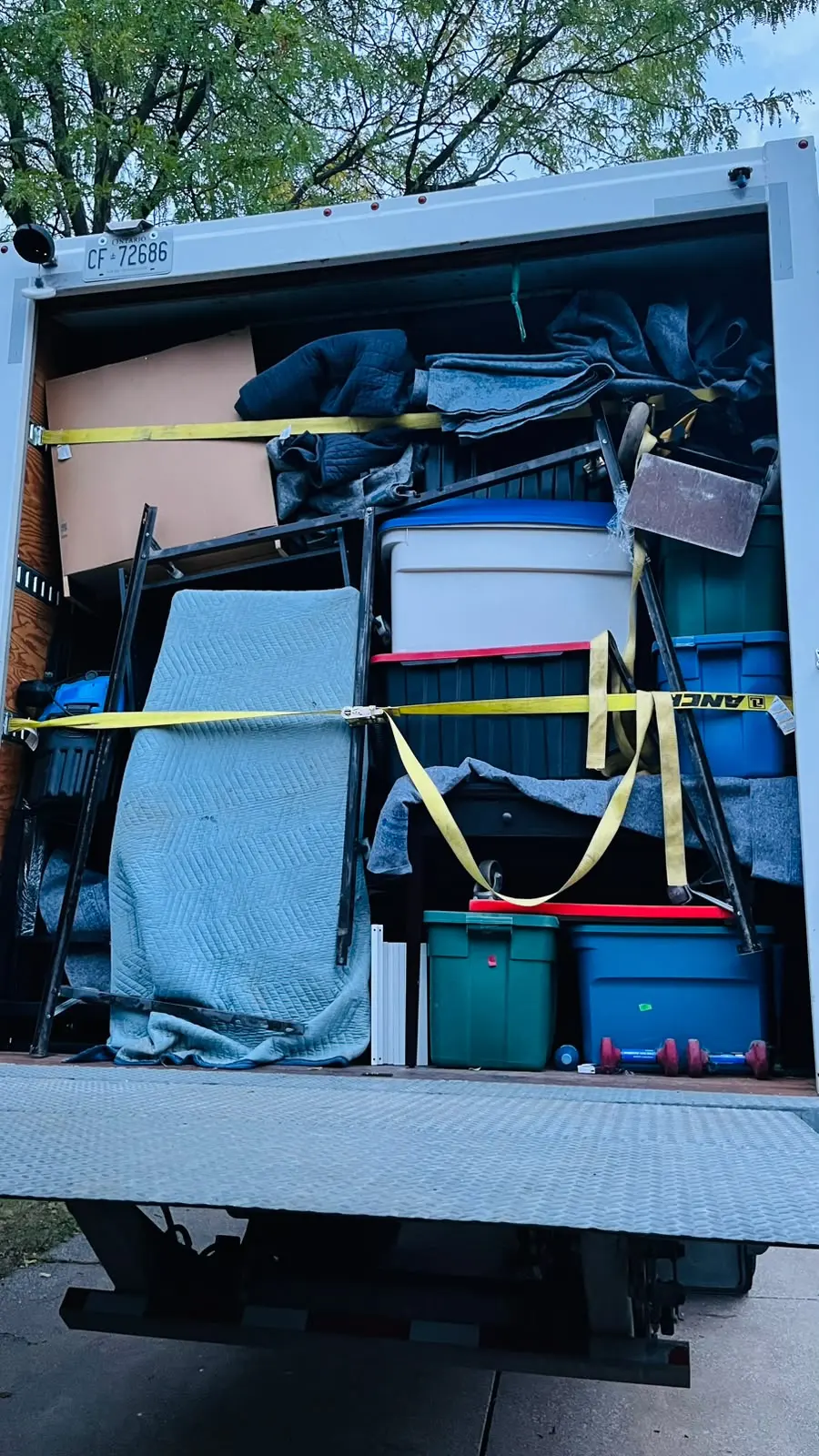
Short term storage during move: smart choices, packing tips, and timing
When closing dates don’t line up, renovations run long, or you just want breathing room to declutter, short term storage during move can be the simplest way to keep belongings safe and your schedule flexible. This guide gives you practical steps to decide if you need storage, estimate space, choose the right option, pack effectively, and coordinate timing so pickup and delivery feel seamless.
When short-term storage makes sense
You don’t always need storage between homes. Use it when it meaningfully reduces risk, cost, or complexity. Common triggers include:
- Gap days or weeks between move-out and move-in
- Staging a home for sale and minimizing visible clutter
- Renovation phases (flooring, paint, or kitchen work) that require empty rooms
- Unexpected closing delays or possession date changes
- Downsizing, with time needed to sell or donate items thoughtfully
- Seasonal gear, tools, or inventory that don’t fit the first wave of unpacking
Ask yourself:
- Is there a confirmed gap where belongings can’t go straight into the new place?
- Will a temporary off-site pause make packing, cleaning, or repairs faster?
- Do I want to unpack in curated stages, keeping non-essentials out of the way?
How much space do you need?
Storage costs and logistics hinge on choosing the right size. Use a quick inventory and a room-to-volume lens:
- Living areas: Sofas, sectionals, coffee tables, media stands, bookcases
- Bedrooms: Beds and frames, dressers, nightstands, wardrobes
- Kitchen/Dining: Table, chairs, small appliances, boxed dishware
- Utility/Outdoor: Bins, tools, seasonal equipment
Practical estimating tips:
- Bundle by “module.” Think in stacks of uniform boxes plus one large item (e.g., 8–10 medium boxes + a dresser).
- Use vertical space. Many units accommodate safe stacking to chest height when boxes are sturdy and evenly packed.
- Measure longest items. Mattresses, couches, or kayaks may dictate minimum length or diagonal clearance.
- Leave a service aisle. If you’ll access items while in storage, keep a narrow path for reach-in convenience.
Rule of thumb: The more uniform your boxes, the more efficiently you can stack and reduce the footprint. Irregular, bulky shapes (armchairs, bikes, floor lamps) increase the space you’ll need.
Choosing the right storage option
There are several short-term paths that work well during a move. The best fit depends on timing, handling steps, and how often you’ll need access.
- Portable containers (delivered to your driveway, then transported to a facility):
- Pros: Load once at your pace; minimal handling; good for moves with a known gap.
- Considerations: Street/driveway space; bylaws or condo rules on placement; weather exposure during loading.
- Traditional self-storage unit (you or movers load at a facility):
- Pros: Flexible access hours; choose size precisely; easy to separate essentials from deep storage.
- Considerations: Double handling (home to unit, unit to new home) unless coordinated with movers for direct loading.
- Warehouse/valet storage (items collected and stored off-site):
- Pros: Pickup and redelivery minimize your trips; inventory often included.
- Considerations: Access requires scheduling; ask how items are vault-stored and labeled.
Decision cues:
- If you want the fewest touchpoints, portable containers or valet storage reduce re-handling.
- If you need frequent access, a self-storage unit with convenient hours can be better.
- If your building has strict loading rules, check which option aligns with elevator windows and truck/container placement.
Packing for short-term storage
Short term doesn’t mean casual. Good packing protects items from bumps, stacking pressure, and quick climate swings during transit days.
- Use strong, uniform boxes. Mediums carry dense items (books, pantry) better than large boxes that can crush.
- Top-off voids. Fill gaps with soft goods (towels, linens) or packing paper to prevent collapse.
- Wrap furniture touchpoints. Moving blankets, corrugated corners, and stretch wrap keep finishes safe.
- Disassemble where practical. Remove table legs, headboards, and shelves; bag and label hardware.
- Mattress bags and sofa covers. Protect fabrics from dust and scuffs.
- Electronics. Original boxes are ideal; otherwise, double-box with cushioning and secure cables in labelled pouches.
- Appliances. Drain, dry, and prop doors slightly ajar to discourage odours.
Label boxes on at least two sides with room, brief contents, and priority (e.g., “Kitchen – daily use” vs. “Kitchen – extras”). Distinguish “Move-in Day Open” boxes with bold tape or a colour code.
What not to put in storage
Most facilities restrict items that can spoil, combust, or cause damage. As a general principle, avoid storing:
- Perishables and plants
- Fuel, aerosols, paints, solvents, or hazardous materials
- Firearms and ammunition (often restricted; check local rules and facility policies)
- Open liquids or anything that could leak
- Important documents you may need urgently (keep with you in a travel folder)
Keep personal essentials on hand: IDs, medications, chargers, a small toolkit, a few days of clothing, and immediate cleaning supplies.
Access, security, and insurance basics
Short-term doesn’t remove the need for diligence. Before you commit, verify basics and keep records.
- Access: Know the daily hours, holiday restrictions, elevator loading windows, and any appointment requirements.
- Security: Ask about unit construction, lighting, cameras, gate controls, and how access is tracked.
- Locks: High-quality disc locks deter tampering in self-storage settings.
- Documentation: Photograph valuable items and note serial numbers before they go into storage.
- Insurance: Confirm whether your homeowner/tenant policy covers items in transit and storage; if not, consider storage-specific coverage.
For questions about coverage terms and exclusions, consult a qualified insurance professional. This article is for general informational purposes and is not financial advice.
Organizing for easy move-in
How you stage items now determines how fast you can settle later.
- Create tiers: “Day 1 Essentials,” “Week 1 Setup,” and “Hold/Seasonal.” Store and stack in that order.
- Zone by room: Keep kitchen with kitchen, bedrooms with bedrooms. Avoid mixed catch-all boxes.
- Use a simple inventory: A numbered box list in your notes app is enough. Note the unit number and location in the unit (e.g., “rear left stack”).
- Front-load priority: Place immediate-need items where they’re easiest to load last at storage and first at the new home.
Timing and move-day flow
Mapping the handoff between homes reduces stress and idle time.
- Confirm dates. Lock your move-out, storage start, and target move-in dates before booking equipment or a unit.
- Sequence loading. Pack non-essentials first for storage; keep daily-living items aside to go straight to the new home if possible.
- Coordinate access. Reserve loading zones, service elevators, or container placement time windows.
- Buffer for delays. Leave a cushion around closing times or contractor schedules to avoid last-minute scrambles.
- Stagger deliveries. If using storage, plan a partial delivery of essentials first, then the rest as rooms are ready.
Tip: If you’re storing for only a few days, pre-label rooms at the new place (sticky notes on doorframes). When items come out of storage, they’ll go directly where they belong.
Cost and contract checks
Short term storage during move usually involves a minimum rental period or transport fees. Read terms so you understand how timing affects your bill and logistics.
- Billing cycle: Is it daily, weekly, or monthly? Are partial months prorated?
- Move-out notice: How much lead time is required to end storage or schedule redelivery?
- Access fees: Any after-hours charges, elevator fees, or weekend surcharges?
- Protection plans: What are coverage limits and deductibles if you opt in?
- Prohibited items: Violations can void coverage; always review the list.
- Condition policy: Note the state of your unit (or container) on arrival and departure; keep photos.
To keep costs efficient, right-size your space, pack uniformly to maximize stacking, and consolidate deliveries where possible.
Special items and conditions
Some belongings benefit from extra planning during a short storage stint:
- Wood furniture and instruments: Wrap to slow humidity swings; avoid direct floor contact by using pallets or blankets.
- Artwork and mirrors: Use corner protectors and rigid boxes or crates; store upright, not flat.
- Mattresses: Use heavy-duty bags and avoid tight bends; store flat if possible.
- Fridges/freezers: Defrost fully, dry seals, and place moisture absorbers inside.
- Outdoor gear: Clean and dry to prevent odour or corrosion.
Quick checklist
- Decide if a gap or project requires storage (and for how long).
- Inventory rooms, measure bulky items, and pick a unit/container size.
- Confirm access rules, security, and billing terms.
- Pack with uniform boxes, protect furniture, and label on two sides.
- Separate essentials for immediate use at the new home.
- Make a simple numbered inventory and note where stacks will go.
- Schedule delivery/pickup times that align with elevators and loading zones.
- Photograph valuables and verify insurance coverage.
FAQ: short term storage during move
How far in advance should I book short-term storage?
As soon as you know there’s a gap, reserve space and equipment. Popular dates around month-end and weekends fill quickly. Early booking also helps line up elevators, loading zones, or container permits if needed.
What’s the best way to avoid damage while items are in storage briefly?
Use sturdy, uniform boxes; fill voids to prevent crush points; wrap furniture edges and high-touch surfaces; and avoid overstacking. Keep heavy boxes on the bottom, fragile or light boxes on top, and maintain a flat stack surface. Don’t store liquids or perishable goods.
Can I access my items during short-term storage?
It depends on the option you choose. Self-storage units typically allow on-demand access within posted hours. Warehouse or valet storage usually requires scheduling and may include retrieval fees for partial access. Confirm access rules before you commit.
What if my new home isn’t ready on the planned date?
Build a buffer into your plan and know your extension terms. Keep essentials with you so a short delay doesn’t disrupt daily life. If possible, separate deliveries into phases so you can receive just what you need first.
Do I need climate control for short-term storage?
For brief periods, many household goods do fine without climate control if they’re well packed and off the floor. Items sensitive to humidity or temperature swings—like wood instruments, fine art, or select electronics—benefit from climate-stable conditions and protective wrapping.
A practical next step
To discuss the options that apply to your situation, contact EC Movers Ltd and request the relevant details before moving forward.
Ready to move?
Get your free quote from EC Movers today.