
Specialized Moving: Plan a Safer Household Move
Planning specialized moving in Windsor? Compare item risks, access, quote factors and booking questions for pianos, hot tubs, pool tables and more.
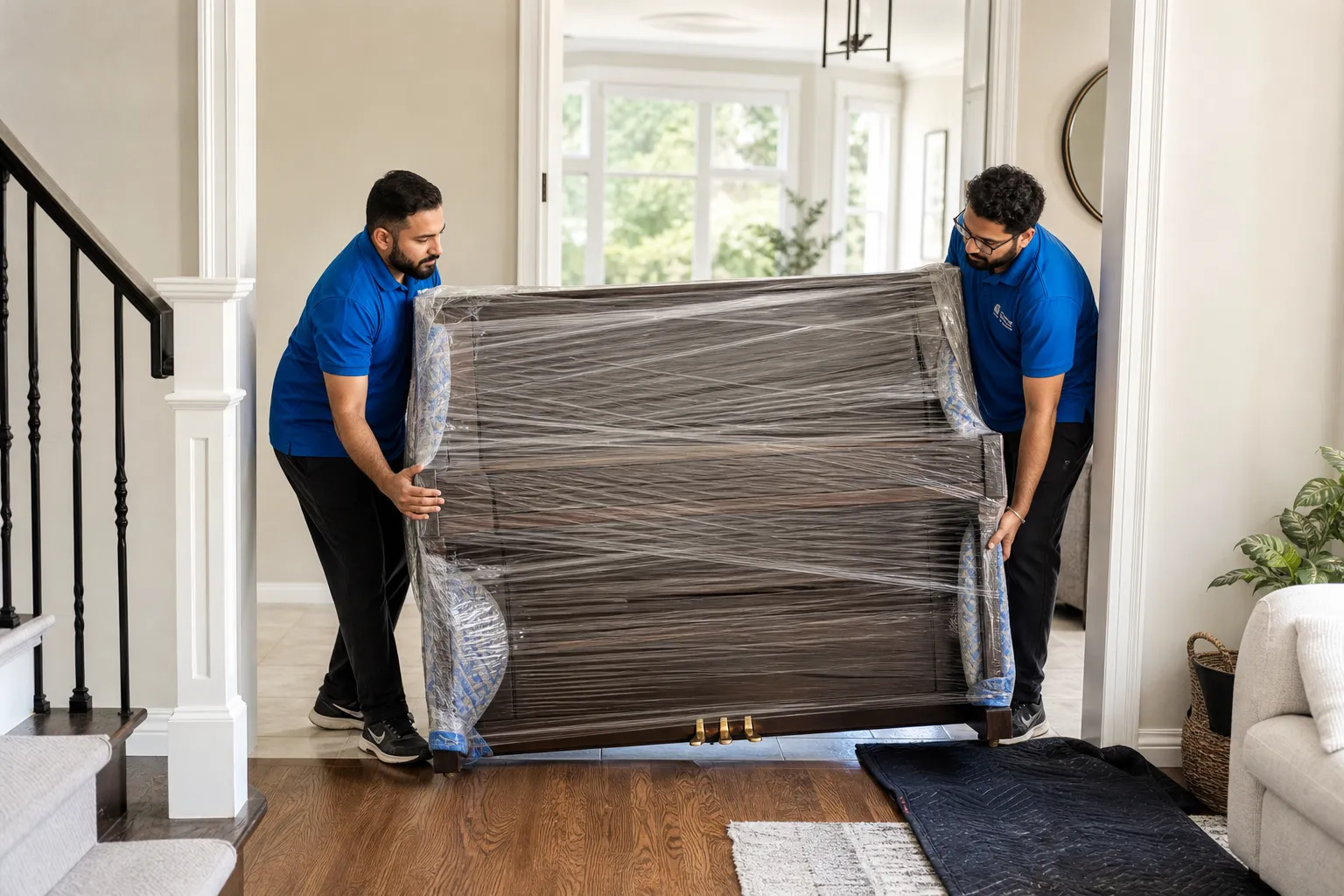
Specialized moving is the planned handling of a household item or route that needs more than ordinary lifting and transport because of its size, weight, fragility, value, shape, access or placement requirements. In Windsor and Essex County, start by documenting the item and complete route, then request a written scope covering protection, disassembly, transport, placement, insurance responsibilities and quote factors.
What Specialized Moving Means for a Residential Customer
A standard move usually involves packed boxes, furniture and appliances that can be carried, protected and loaded with conventional methods. A specialized move adds a problem that must be planned before the crew arrives, such as a piano on a stair landing, a pool table that needs levelling after transport or a hot tub that must be drained and disconnected.
The item does not have to be exceptionally heavy to require specialist planning. A fragile antique, awkward sectional sofa or valuable artwork may need careful packing, extra protection and a route assessment even if several people can lift it.
The route can also make an ordinary item specialized. Narrow doors, tight turns, stairs, elevators, long outdoor paths, restricted parking or a difficult destination room can affect the people, materials, equipment and time required. Ontario recommends having movers inspect what needs to be moved so they can prepare a more accurate estimate. Ontario's guidance on hiring a mover also recommends researching the company before booking.
EC Movers Ltd provides residential and local moving services in Windsor and Essex County. If you are deciding between moving-only help and packing support, compare residential moving service levels first.
Which Household Items Need Specialized Planning?
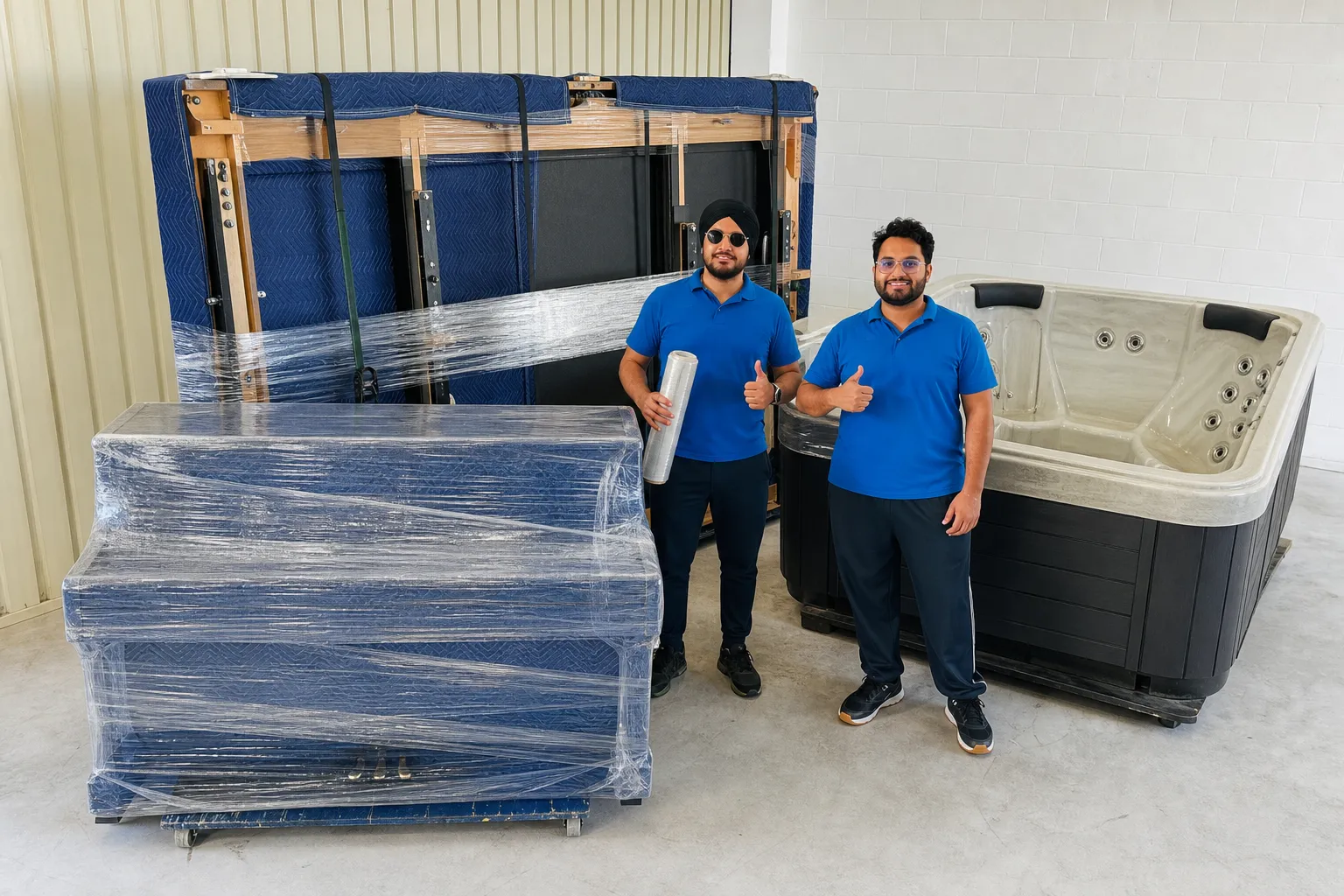
The table below is a planning guide, not a promise that every item listed is offered by every mover. EC Movers Ltd describes piano, hot tub and pool-table moving among its services. Safes, artwork, antiques and other examples require an assessment before anyone confirms capability or scope.
| Item or situation | Why planning matters | Details to provide | Preparation to discuss |
|---|---|---|---|
| Piano | Its shape, weight, finish and balance make stairs, turns and placement significant. | Type, dimensions, stairs, landings, doorways, distance and destination room. | Protection, route planning, suitable handling, storage if required and final placement. Confirm the piano type and the exact services included. |
| Hot tub | It may need utility coordination, drainage and a route that accommodates its size. | Make, dimensions, access, electrical setup, drainage and new placement area. | Assign disconnecting, draining, transport, placement and any reconnection work in the written scope. |
| Pool table | Ordinary lifting does not address slate, frame components, reassembly or levelling. | Table dimensions, slate construction if known, stairs, doorways, turns and final room. | Confirm whether disassembly, protected transport, reassembly, re-felting, repairs or levelling are included. See the pool table moving process. |
| Oversized furniture | Its dimensions may exceed practical clearance at a doorway, stairwell or elevator. | Overall dimensions, removable parts, route measurements, floor level and parking distance. | Partial disassembly, wrapping, floor and wall protection, route planning and exact placement. |
| Large appliances | Connections, weight, doorways and floors can complicate removal and installation. | Dimensions, connection type, stairs, flooring, doorway clearances and whether it is empty. | Disconnecting responsibilities, secure wrapping, transport position and destination reconnection. |
| Artwork, mirrors or fragile collections | Surface damage, vibration, glass and unusual dimensions may require more than a standard box. | Dimensions, materials, condition, value for insurance purposes and route conditions. | Custom or reinforced packing, separated handling and written responsibility for packing and unpacking. |
| Antiques or heirlooms | Age, construction, finish and irreplaceable value can make damage difficult to repair. | Photos, dimensions, condition, loose components and known handling instructions. | Condition documentation, careful wrapping, suitable packing and a clear valuation or liability discussion. |
| Safe or unusually heavy item | Weight distribution, floor loading, stairs and turning space can create a route problem. | Approximate weight, dimensions, whether empty, anchoring, stairs and destination surface. | Capability assessment, route planning, property protection and written confirmation of the handling method. |
For items with drainage, electrical connections, loose parts or unusual construction, identify responsibility before moving day. An Essex County moving checklist can help coordinate access, packing, stairs, utility shutoff, drainage and disassembly.
When DIY Handling Stops Being a Good Fit
DIY may be reasonable for a light, stable item with a wide, level route and no unusual value. Professional planning becomes more sensible if the item is fragile, top-heavy or awkward, the route includes stairs or tight turns, disassembly or drainage is required, you lack suitable help, or a mistake could damage the property. Related reading: Home Furniture Moving Best Practices: A Safer Plan for DIY or Professional Help.
The tradeoff is not simply labour cost versus convenience. DIY transfers planning, property protection, equipment and handling risk to you, while a professional quote should identify which tasks the crew will handle.
Do not improvise with an unstable or heavy item on stairs, ramps or tight turns without appropriate help and equipment. A loss of control can injure someone or damage both the item and the property.
A professional service should explain what it will and will not handle. What professional movers do in Windsor varies by service scope, so ask for the actual work included.
Plan the Complete Access Route Before You Request a Quote
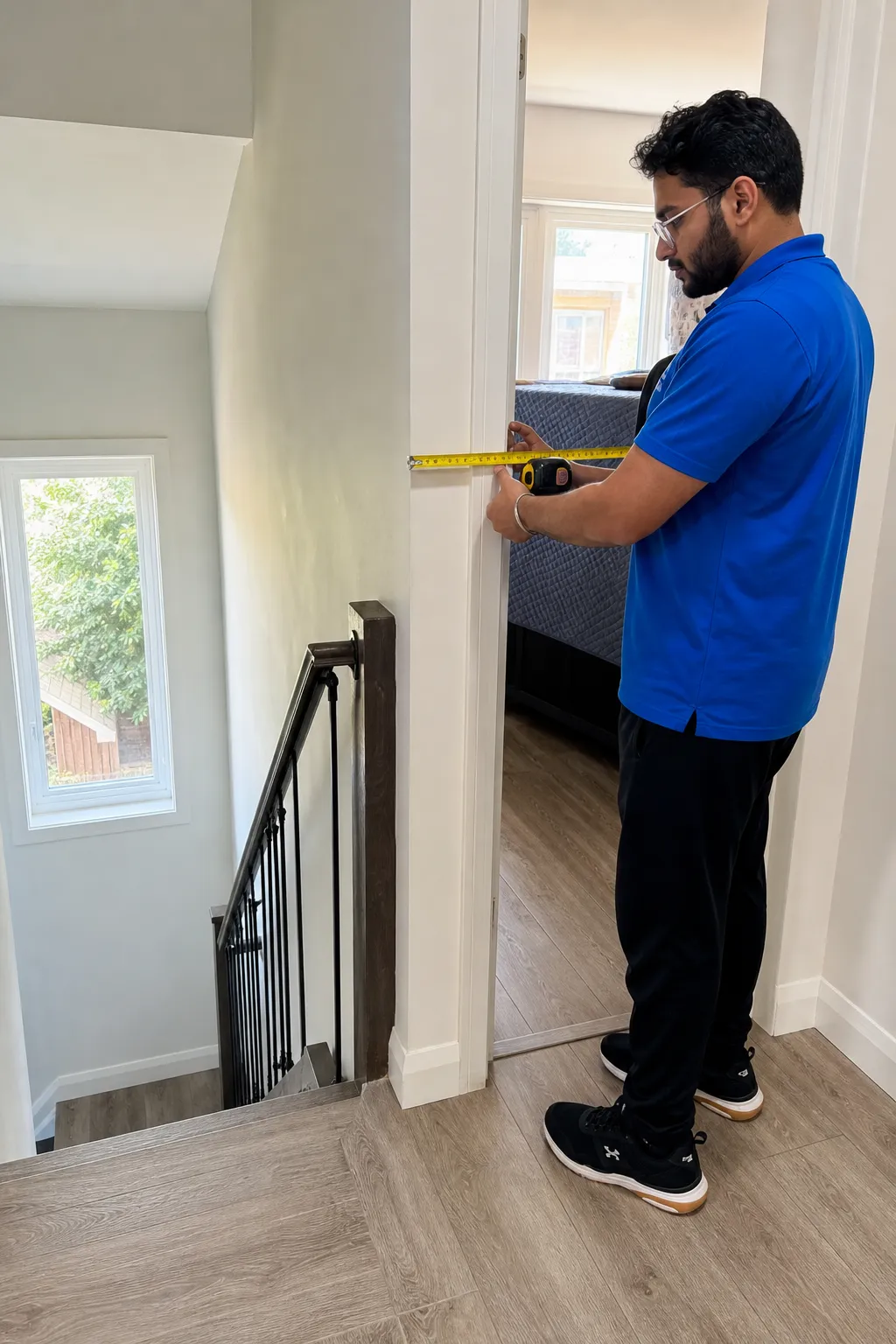
Saying an item is “large” or “heavy” is not enough for a useful assessment. Movers need to understand how it leaves the current property, reaches the vehicle, enters the new property and gets to its final position.
- Item dimensions, approximate weight and dimensions after removable parts are taken off.
- Door, hallway and stair widths, plus ceiling height at landings and tight turns.
- Number and shape of stairs, railings, steps between levels and landing space.
- Elevator dimensions, weight limits, booking rules and protective requirements.
- Outdoor paths, gates, slopes, soft ground, weather exposure and distance to the truck.
- Street parking, loading zones, driveway access and building restrictions.
- The exact destination room, floor, wall position and placement clearance.
Take wide-angle photos from each doorway, landing, turn and loading area. Add close photos of the item, existing damage, detachable parts and proposed destination. A simple route sketch with measurements can reveal a problem that a written description misses.
Access details belong in the written quote, not only in a phone conversation. The scope should identify the item, route, protection, packing, disassembly, placement and responsibilities assigned to you or the mover.
What the Specialized-Moving Process Looks Like
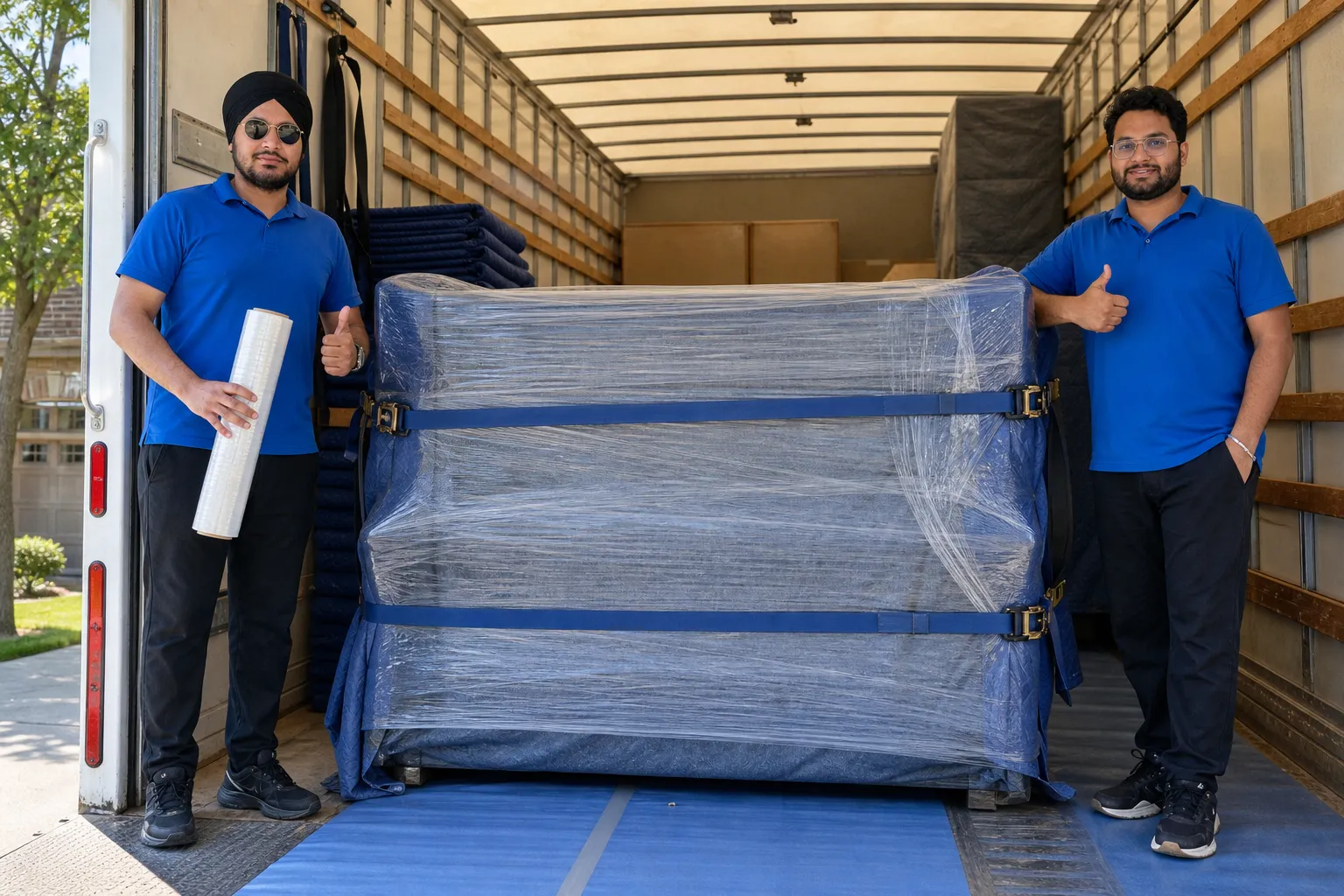
A well-planned specialized move connects assessment, quoting, preparation, handling and final placement. Each stage should lead to the next instead of leaving decisions for the crew to solve at the doorway.
1. Assessment and information gathering
Start with the item type, dimensions, condition, origin, destination and access information. Photos, measurements and a short video of stairs or tight turns can help the mover understand the route. For a complex item, ask whether an in-person or visual assessment is needed.
2. Written scope and quote
The estimate should state what is being moved and which services are included. Separate loading and transport from packing, disassembly, storage, reassembly, levelling, installation or final placement if those tasks are not automatic.
3. Preparation and property protection
Before handling begins, clear the route and prepare the destination. Floors, walls, doors and corners may need protection, while loose contents, shelves or removable parts should be dealt with according to the agreed plan.
4. Specialized handling and loading
The crew follows the route and handling method covered by the scope, protecting the item for transport and securing it appropriately. For a hot tub, responsibilities may include disconnecting and draining. For a pool table, the work may include disassembly before transport.
5. Delivery, placement and finishing work
At the destination, confirm the room and orientation before placement. Reassembly, re-felting, levelling, reconnecting or setup belongs in the agreed service description. These tasks are not automatically included simply because an item is classified as a specialized move.
6. Final walkthrough
Walk through the origin and destination areas, check that the agreed items and services are complete, and note concerns before the crew leaves.
What Changes the Cost of Specialized Moving?
There is no responsible single price without knowing the item and route. Main quote variables include:
- Item characteristics: size, shape, weight distribution, fragility, condition and removable parts.
- Access: stairs, turns, doorways, elevators, outdoor paths, loading distance and parking restrictions.
- Labour and equipment: the people and handling resources required.
- Protection and packing: floor, wall and door protection, wrapping, crating or other materials.
- Disassembly and reassembly: removing parts, organizing hardware, rebuilding, levelling or setup.
- Distance and timing: local or long-distance transport, scheduling and coordination.
- Storage or delayed placement: pickup, holding, storage conditions and later delivery.
EC Movers Ltd states that it offers no hidden fees and free quote requests. Compare that promise by checking what each estimate includes. Canada's Office of Consumer Affairs recommends getting estimates from at least three reputable movers, clarifying inclusions, checking references and asking how belongings will be protected. Canada's moving advice provides that comparison framework.
Questions to Ask Before Booking
- Scope: What will be moved, protected, packed, disassembled, transported, reassembled and placed?
- Access: Have you reviewed the stairs, turns, doorways, elevator, parking and destination route?
- Protection: Which floors, walls, doors and item surfaces will be protected?
- Capability: Does your crew handle this specific item and route?
- Insurance and valuation: What responsibility applies, what exclusions should I understand, and how is condition documented?
- Packing: Who packs fragile parts, and who is responsible for customer-packed items?
- Connections: Who handles electrical, plumbing, draining, disconnecting, reconnecting or installation work?
- Timing: What are the pickup and delivery windows, and what happens if access or weather causes delays?
- Storage: Is storage needed, who handles the handoff and what condition is required?
- Agreement: Where are the item list, price, completion date, services and responsibilities recorded?
A detailed written agreement should identify the estimate, completion date and specific goods and services. Ontario consumer guidance states that where an estimate rather than a final price is used, charges cannot exceed the estimate by more than 10%, subject to its conditions. Read the full terms before signing and use Ontario's consumer guidance to review the points it recommends documenting.
For a comparison script covering scope, access, insurance, specialty handling and responsibilities, use these moving quote questions before comparing providers.
Your Specialized-Move Preparation Checklist
- Identify the item. Record its type, dimensions, approximate weight, condition and removable parts.
- Photograph it. Take clear images of every side, existing marks, labels, loose components and destination.
- Measure the route. Record doors, halls, stairs, landings, turns, elevators, gates and the path to the vehicle.
- Confirm property rules. Ask about elevators, parking, loading zones, notices and permitted hours.
- Separate tasks. Empty drawers, remove personal contents and clear rooms unless preparation is included.
- Arrange relevant utility work. Clarify who disconnects, drains, isolates or reconnects equipment.
- Prepare the destination. Clear the final room and decide exact placement before arrival.
- Send a complete request. Include both addresses, desired date, item details, route photos, restrictions and every service you want priced.
Do not pack loose contents inside an item unless the mover has approved that approach. Keep keys, building instructions, item documentation and condition photographs available on moving day.
Frequently Asked Questions About Specialized Moving
What is considered specialized moving for a residential move?
It is any move needing planning beyond ordinary carrying and transport because of the item's size, shape, fragility, value, connections, disassembly, route or final placement. Pianos, hot tubs and pool tables are common examples, but an oversized sofa, fragile collection or difficult stair route can also qualify.
Can a specialized mover assess an item before providing a quote?
Some movers use an in-person or visual assessment for complex items and difficult routes. Request the assessment method that fits the move, or provide measurements, photos and route information before the quote is finalized. Ontario recommends inspection because the item and access conditions affect estimate accuracy.
Should I move a piano, hot tub or pool table myself?
DIY handling is a poor fit when the route includes stairs or tight turns, the item needs disassembly or draining, or you lack suitable help and equipment. Ask for a specialized assessment instead of assuming that several people can safely lift it.
What photos and measurements should I send?
Send item photos, dimensions, condition images, door and hallway widths, stair and landing photos, elevator details, outdoor route images, parking information and the destination room. Include a short video or sketch if the route has a tight turn, slope or unusual access point.
Does specialized moving automatically include disassembly, reassembly or final placement?
No. Those services should be listed in the written scope. Confirm who handles disassembly, hardware, packing, transport, reassembly, levelling, reconnecting and exact placement.
What should a written agreement clarify about protection and liability?
It should identify the items, services, price or estimate, completion date, access conditions, protection work, packing responsibilities, valuation or insurance terms and the process for documenting condition or reporting a concern. Do not assume that “fully insured” explains coverage for your particular item.
Once you have the item details, route photos and access information ready, send them to EC Movers Ltd with a request for a quote through its residential moving service for a home move in Windsor and Essex County.
Planning a move? See how our residential movers in Windsor can help, with a free flat-rate quote.
Ready to move?
Get your free quote from EC Movers today.